relieved
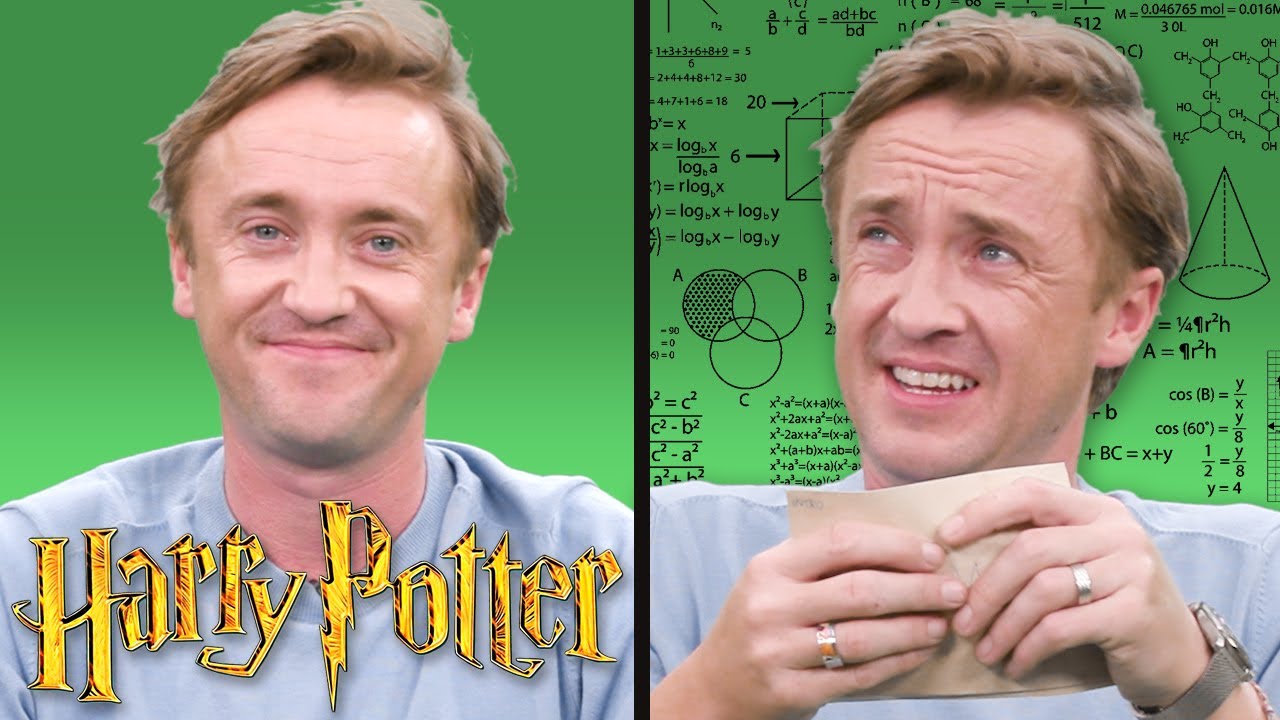
An English word 'relieved' means feeling happy and calm after being worried or stressed about something.
When people say they're relieved, it usually means they've been through a difficult time and are glad that it's over. For example, if you were waiting for exam results and you finally got them back, and you didn't do as badly as you thought you would, you might feel relieved. You'd be happy because the stress of not knowing how you did is gone. This can also happen in situations like breaking up with someone or saying goodbye to a place that was important to you - once it's done, people often feel relieved because they've been through a tough time and are now free from all that worry and anxiety. Sometimes 'relieved' can be used in a more general sense, but usually it means feeling lighter after carrying around a big burden.
How common is "relieved"?
It appears most frequently in fiction texts and less often in other writings.
verb
To ease (a person, person's thoughts etc.) from mental distress; to stop (someone) feeling anxious or worried, to alleviate the distress of.
Example: I was greatly relieved by the jury's verdict.
adjective
Experiencing or exhibiting relief; freed from stress or discomfort.
Example: She was extremely relieved when the lesson finished.
Real examples of "relieved" in context