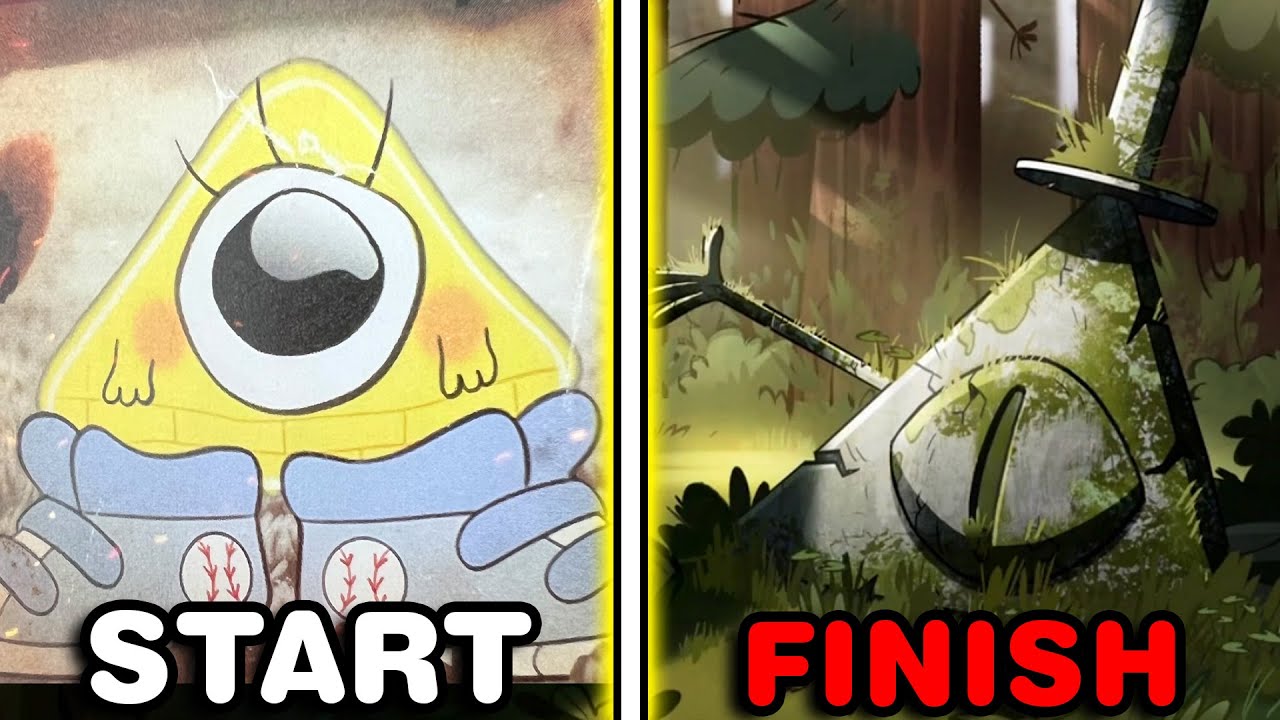
foreshadowing
An author or writer uses foreshadowing when they hint at what's going to happen next in their story. This can be a subtle way of giving clues about the future.
Foreshadowing is often used in novels, movies, and even TV shows to create suspense and surprise. Think about it like this: imagine you're watching a mystery movie, and the detective finds a suspicious letter that seems unimportant at first. But later on, it turns out the letter was actually a clue to a much bigger plot. That's an example of foreshadowing - the writer hinted at something important by including that small detail early on.
In writing, foreshadowing can be used in different ways. If you're writing a novel and want to create suspense, you might foreshadow a character's death or a major event by dropping subtle hints throughout the story. On the other hand, if you're writing a romance, you might use foreshadowing to hint at a couple's future together - maybe they have a dream about getting married, for example.
The term "foreshadow" itself is also used as a verb, which means to hint or suggest something in advance. So, when someone says that an author was "foreshadowing the climax," it means they were giving subtle clues about what's going to happen at the end of the story.
How common is "foreshadowing"?
It has a balanced usage among all categories: speech, fiction, newspapers and academic texts.
verb
To presage, or suggest something in advance.
noun
(authorship, usually uncountable) A literary device whereby an author drops hints or symbolic representations of plot developments to come later in the story.
Example: The roses blooming before Rose herself bloomed was excellent foreshadowing.
Real examples of "foreshadowing" in context